

 Car Subwoofer
 Automobile Speaker
Can you put a subwoofer in a cabinet? Well, the short answer is yes. The longer answer is that it can depend on what type of cabinet you have and how much space there is inside. It also depends on whether the cabinet is enclosed or has a door.
If your goal is to achieve the best possible sound quality for music playback, then you should either do away with putting the subwoofer in a closed-off area altogether and place it right up against an open wall or corner or just go ahead and buy yourself some nice speaker stands instead!
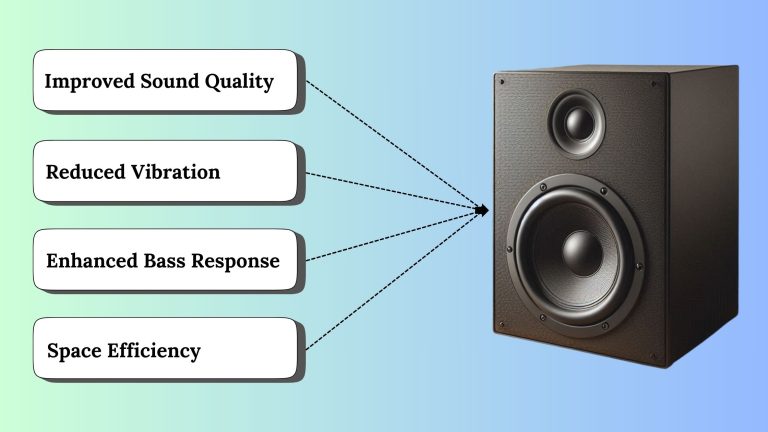
Benefits of Putting a Subwoofer in a Cabinet:
- Achieving the best possible sound quality for music playback.
- You can get your subwoofer out of the way and close off some more space to use for other things or just keep it cleaner looking too.
- If you have any pets, they won’t be able to knock over the speaker stands as easily since these are taller than most furniture items around them! Learn more…
Disadvantages of Putting a Subwoofer in an Enclosed Area:
- Reduces bass output because it has less room inside this area that is closed off by walls; this means if you’re not putting in a really good subwoofer, you’re not going to feel the bass as well.
- If your cabinet is made of wood and has a thin material on the outside such as MDF or particleboard, it can produce unwanted resonance that can negatively impact the sound quality for music playback.
- You’ll have more space in your living room! This will allow other items like an entertainment center to fit better against this wall and doesn’t look quite so cluttered with all these speakers taking up space too; also gives more breathing room if there are plants around them that may need water regularly.
Good Place to Put a Sub:
A subwoofer can create unwanted distortion when placed inside cabinets because they are enclosed with thin material such as MDF or particleboard. So, this means putting them on the outside would be better than inside since then they wouldn’t produce any interference from resonance between cabinet materials and vibrations within the speaker system itself due to enclosed space.
As for the advantages of putting subwoofers in a cabinet, it can make things easier to hide, or if you want them outside but need to put them inside temporarily, then this may be an option. Another advantage would be placement since with cabinets and furniture at home they can often take up spaces that could otherwise have a subwoofer placed there.
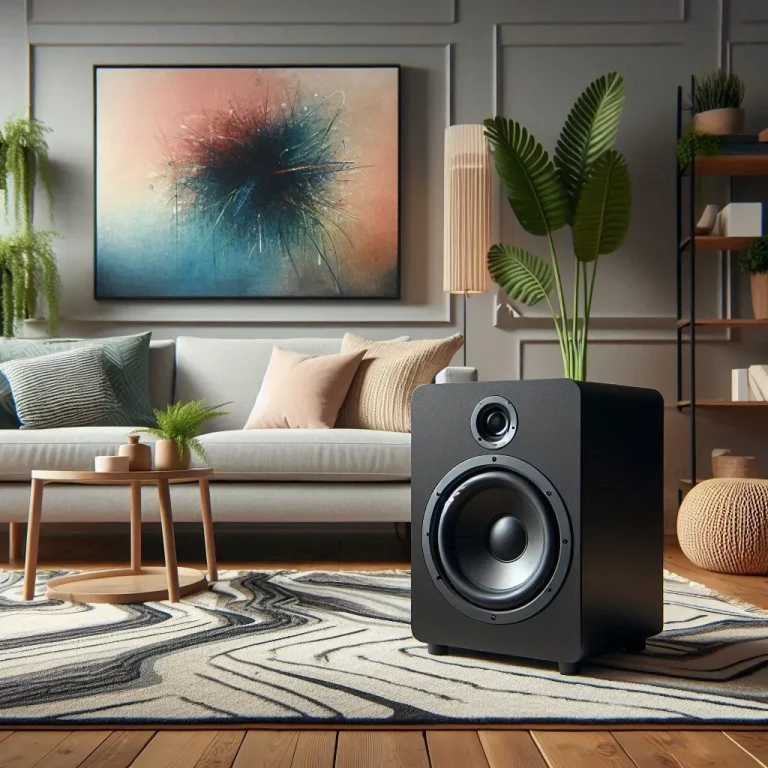
So, by having the speaker system enclosed in a cabinet they won’t get in anyone’s way while also not being out exposed where people might walk into it without thinking about what is behind doorways etc. The final benefit I have found through my research is that although some may argue against this idea because of sound quality interference from resonance between cabinet materials as mentioned before, it can be a benefit.
The sound quality is better because the cabinet’s sides prevent some of the sounds from bouncing off and that makes it fuller sounding, especially on lower frequencies since they don’t bounce as much.
Disadvantages:
Some disadvantages are if you have kids or pets running around your house there’s always a chance one might bump into it and knock down everything which could cause damage to both subwoofer system and things in cabinets around them so this would not be good for children living at home or any animals such as dogs who may jump up on furniture all day long.
Another disadvantage is the increased cost when first purchasing speakers with subwoofers already built-in vs buying just separate boxes to place inside cabinets specially designed for that purpose.
And finally, one disadvantage when using an external speaker with no woofer while listening to music at high volumes may lead to hearing loss over time due to damage done by very loud levels of sound.
A disadvantage when using an external speaker without a wrist or music at very high levels is hearing loss over time due to damage done by loud sounds. This occurs from the volume that exceeds 100 dB which eventually damages hair cells in our ears, erasing their ability to transmit vibrations as nerve impulses into the brain—as well as other factors like genetics or illnesses such as Tinnitus.
Another disadvantage is that some of the sound frequencies will be lost due to cabinet size and where it’s placed within your room. This can affect clarity, bass levels, stereo imaging, and other speaker characteristics which can affect the listening experience for movies or music.
Advantages:
One of the advantages of placing speakers with subwoofers in cabinets is that you can place them wherever they are needed and not have to worry about noise or interference from other electronic devices since it’s like having a small soundproof room inside your cabinet where only the sounds coming out of these can be heard.
Another advantage is some people find that stereos with built-in speakers without subs typically don’t give enough bass response, so if this applies then putting a subwoofer on a cabinet would make their audio system more enjoyable.
One advantage though is if there isn’t a space available near an external speaker then adding one inside a cabinet means you’ll have more options when deciding where to place it without sacrificing sound quality—within proximity of optimal listener seating: For example- behind curtains, under furniture like coffee tables or behind doors on either side of open spaces such as between two windows at eye level with chairs nearby.
Things you should consider
Subwoofers are designed for small spaces and can be found in compact cabinets that save space, so they’re an excellent option if you have a limited area or placement options- both of which may make it difficult to place a speaker elsewhere without compromising your listening experience.
In terms of budgeting, the average price range for these is $750-$1200 with higher-end models costing upwards of $2500. Subs can also range from 12″ to 18″, but the size isn’t everything: Some smaller subs offer similar audio performance as their larger counterparts! As always no one knows this answer better than you do—so spend some time researching what fits best within your personal needs and budget.
Another factor to keep in mind is the size of your space and how it affects your placement options: Generally, larger subs can fill a room better than smaller ones so if you have a large living area or entertainment unit, this may be an important consideration-especially if you want that booming bass sound!
If on the other hand, space isn’t an issue for you then don’t sweat it too much; as mentioned before there are some great compact models out there with ample power that still deliver high-quality audio performance.
In general speaking, yes—subwoofers can usually fit inside cabinets because they’re designed to be utilized within small spaces but not all sub enclosures will work well in every type of cabinet. To find out if your cabinet is compatible with a particular subwoofer, measure the inside of the enclosure to determine its dimensions and check the manufacturer’s recommended specifications for placement.
Some cabinets come equipped with built-in subs that can’t be removed but there are also plenty of models available in which you can place either one or two 12″ drivers on their separate shelves at different heights depending on what sound profile you’re looking for.
If opting for a model that requires custom installation, then these directions should provide some additional guidance:
Measure your space first by measuring all four walls’ height and width before laying down an outline using masking tape off where you want to install it (leave about six inches between each wall). Once this has all been determined, take the dimensions to your local home improvement store or custom installation company and they can cut out a cabinet shape for you.
Nowadays most people are opting for built-in subs in their cabinets because of how easy it is these days with all the different sizes that slide right into place. The only downside to this option is if there’s not enough space on one side of the room where the power cord might need to pass through an area without access behind the wall then some extra work will be required by cutting a hole for them to reach through so as not block any outlets.
In my opinion, I prefer having two separate 12″ drivers at different heights set up instead of just one, especially if the cabinets are taller. The reason for this is to give a more balanced sound and feel that can be felt in both ears rather than just one since most people stand side by side when they want to watch TV or eat in front of it.
In general, I think subs should be placed outside of cabinet space because you’re not going to get any good output from them if there’s too much wall material on either sides surfaces (i.e.: plywood) unless there’s enough room for a large port somewhere behind all those materials which would require some craftsmanship skills & tools).
Frequently asked questions:
Can you put a subwoofer in a cabinet?
Yes, but not as good. The sound will be muffled and it could take up space inside the cabinet which isn’t very useful for any other type of speaker setup. I prefer to have two separate 12″ drivers (one at ear level and one below) set up instead of just one because most people stand side by side when they want to watch TV or eat in front of it. In general, I think subs should be placed outside of cabinet space because you’re not going to get any good output from them if there’s too much wall material on either side’s surfaces (i.e.: plywood) unless there’s enough room for a large hole.
Final Thoughts
The trade-offs are that you can’t put the subwoofer at ear level but it will have more room inside the cabinet because of its size, or if you want to design a custom setup where there’s an open area on top for other speakers and don’t care about bass then yes, I guess go ahead. The idea is not necessarily to cram as much crap in one place as possible; rather make things look good by placing them well so they’re functional. It also depends on which type of material your paneling is made out of (e.g.: particle board). If it’s plywood, no way! Get some better walls with real wood or foam insulation inside instead.